
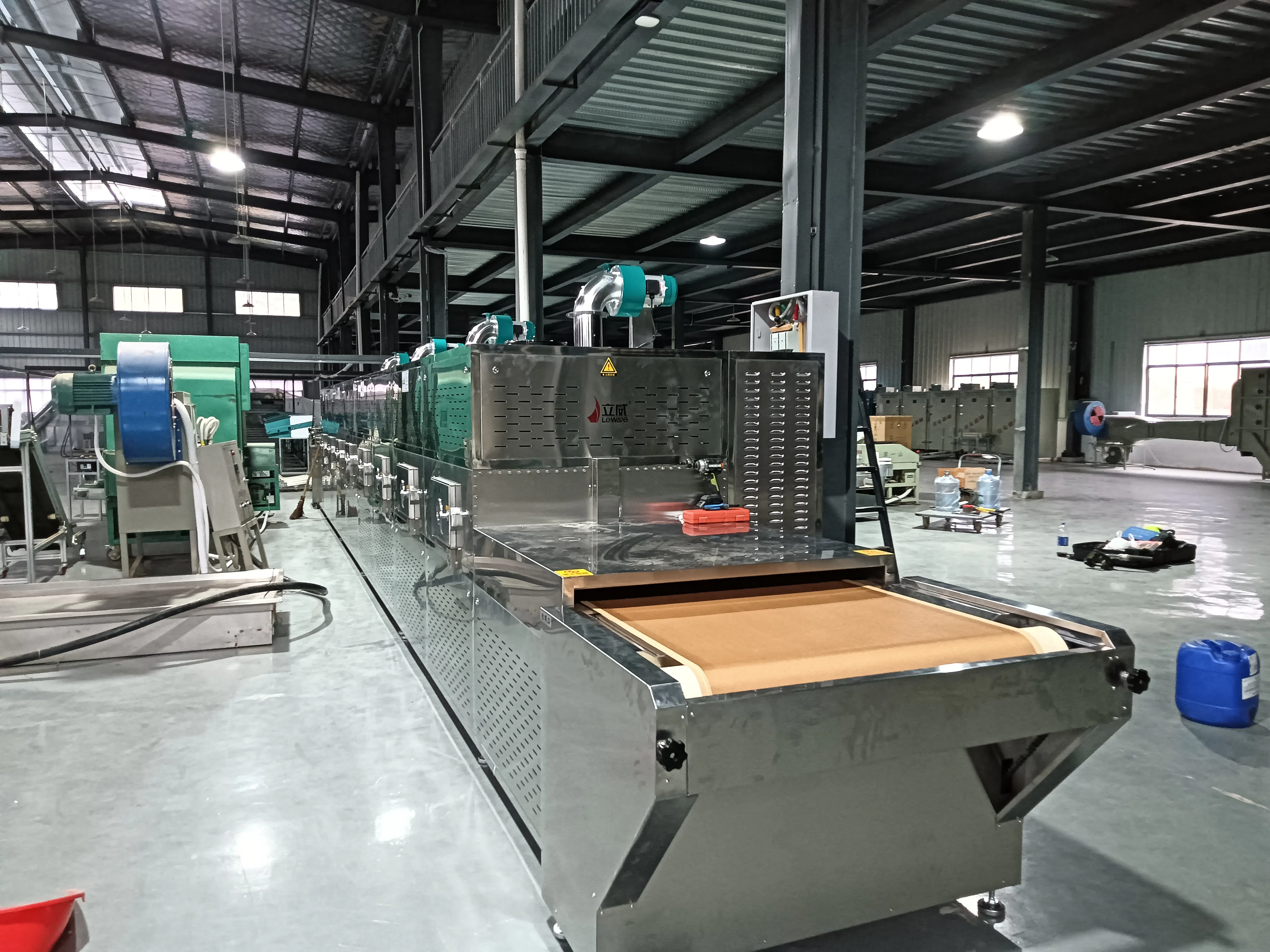
Break traditional drying and sterilization bottlenecks with intelligent, continuous and low-energy microwave technology, helping food factories achieve capacity upgrading and profit growth.
1. Industry Pain Points
In the food processing industry, drying, sterilization, baking and dehydration have long been the bottlenecks restricting production capacity, major cost expenditures, and decisive factors for product quality.
Conventional processing methods, including hot-air drying, oven baking, deep frying and natural air drying, suffer from obvious drawbacks: slow processing speed, heavy labor reliance, high energy consumption and unstable product quality. These problems severely hinder enterprises from expanding production and improving efficiency.
With unique technical advantages, microwave drying equipment has become core equipment for food enterprises to boost efficiency, cut costs and stabilize quality. It upgrades low-speed production lines into high-efficiency systems, doubling production efficiency and realizing synchronous profit growth.
The food industry sets extremely strict standards for production: short delivery cycles, frequent batch replacement, high freshness requirements and rigorous hygiene specifications. Microwave drying equipment achieves doubled productivity by comprehensively optimizing traditional drying modes in five dimensions: processing speed, production process, labor input, continuous production and finished product quality.
2. Five Core Advantages of Microwave Drying Equipment
① Exponential Improvement of Drying Speed
Traditional drying relies on external heat conduction, which generally takes several hours. Microwave heats materials from the inside out synchronously, directly acting on internal water molecules for rapid dehydration, shortening processing time to 1/5~1/10 of the original time.
For bean products, meat products, fruit and vegetable crisps, nuts, snacks and other products, a single batch requiring 4–8 hours by traditional methods can be finished within dozens of minutes with microwave equipment. Daily processing capacity is doubled, helping manufacturers easily handle order peaks and eliminate drying bottlenecks.
② Multi-function Integration to Simplify Production Procedures
Microwave equipment can complete dehydration, sterilization, mildew prevention, baking, curing and degreasing simultaneously, realizing multi-purpose operation.
Bean products, braised food and vegetarian food realize one-step drying and sterilization; nuts and grains complete integrated baking, dehydration and sterilization; meat and aquatic products achieve rapid drying, deodorization, sterilization and preservation.
Multiple equipment, repeated material transportation and redundant manual work are eliminated. The whole production process is shortened by more than 50%, greatly speeding up production rhythm.
③ Automatic Production to Reduce Labor Costs
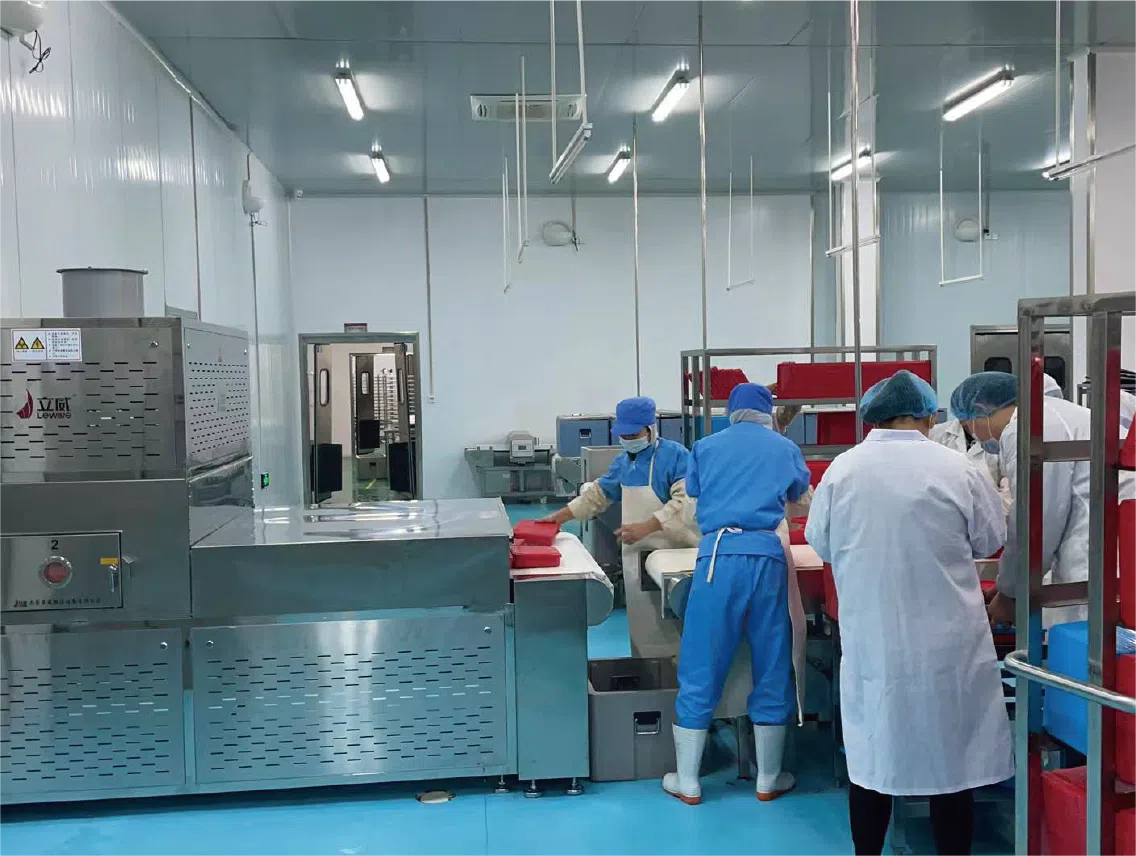
Traditional drying lines require plenty of workers for material turning, transportation and temperature monitoring, leading to high labor costs and cross-contamination risks.
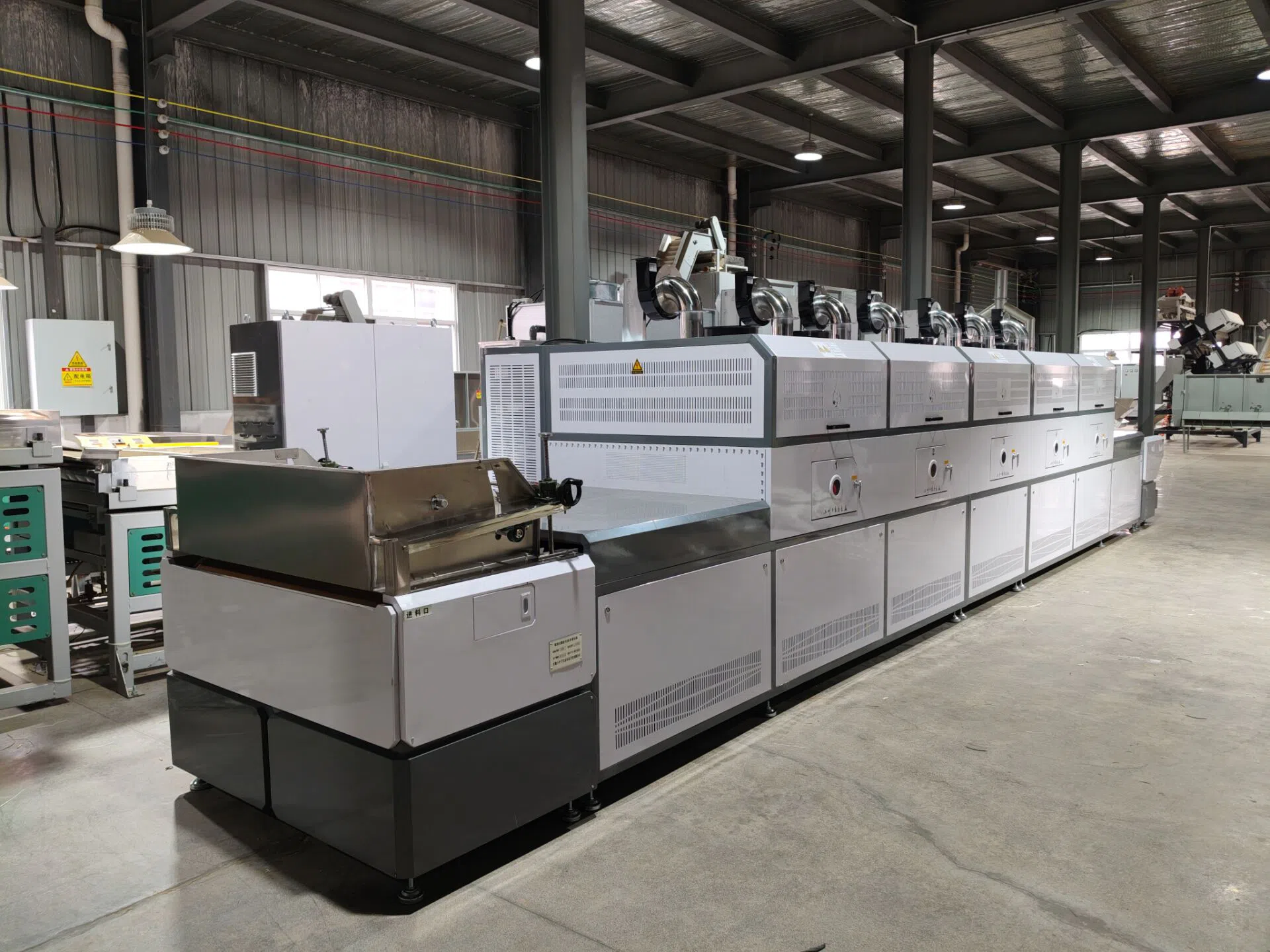
Equipped with PLC intelligent control system, automatic conveying, constant temperature control and automatic moisture exhaust devices, microwave drying equipment supports one-click automatic operation. One worker can manage multiple production lines, cutting labor costs by over 60%. Less manual contact effectively improves food hygiene and safety compliance.
④ 24-hour Continuous Assembly Line to Increase Unit-area Capacity
Microwave equipment supports non-stop round-the-clock production, with automatic feeding, drying, sterilization and discharging. There is no preheating waiting, idle loss or batch interval.
Compared with traditional intermittent ovens, equipment utilization rate is more than doubled. It covers a smaller floor area with concentrated production capacity, which can double output under the same workshop space and perfectly fit large-scale food factories.
⑤ Stable Quality to Lower Defect Rate and Hidden Losses
Traditional drying often causes common defects: outside dry but inside wet, scorching, discoloration, poor taste and high reject rate, resulting in massive raw material waste and rework.
Microwave heating is uniform without dead zones, featuring low-temperature treatment and precise temperature control. Finished products have consistent dryness, natural color, stable taste and complete nutrient retention, with the reject rate nearly close to zero. The reduction of waste and rework greatly lifts effective production capacity.
3. Industry Summary
Against the backdrop of fierce competition and rising costs in the food industry, efficiency represents core competitiveness, and processing speed creates profits.
Microwave drying equipment is far more than ordinary drying machinery, but a systematic solution for capacity expansion, cost reduction and quality upgrading. Featuring faster processing speed, simplified procedures, lower labor dependence and stable product quality, it helps food enterprises break through production capacity constraints, achieve doubled production efficiency and substantial economic benefits growth.


