
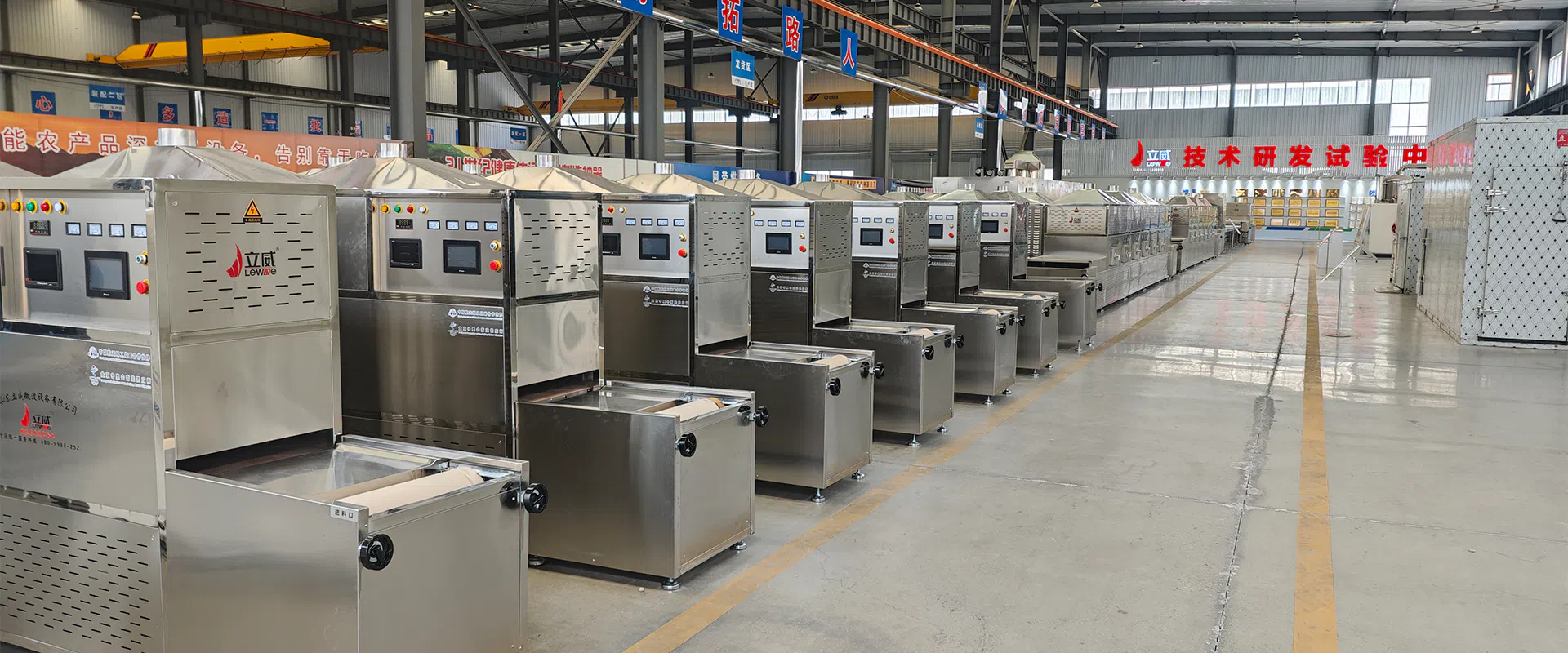
According to the 2024 China Food Industry Sterilization Equipment Industry Report released by Consulting, the domestic market size of microwave sterilization equipment reached RMB 1.87 billion in 2023, with a compound annual growth rate (CAGR) of 12.3%. The market is projected to exceed RMB 2.8 billion by 2026.
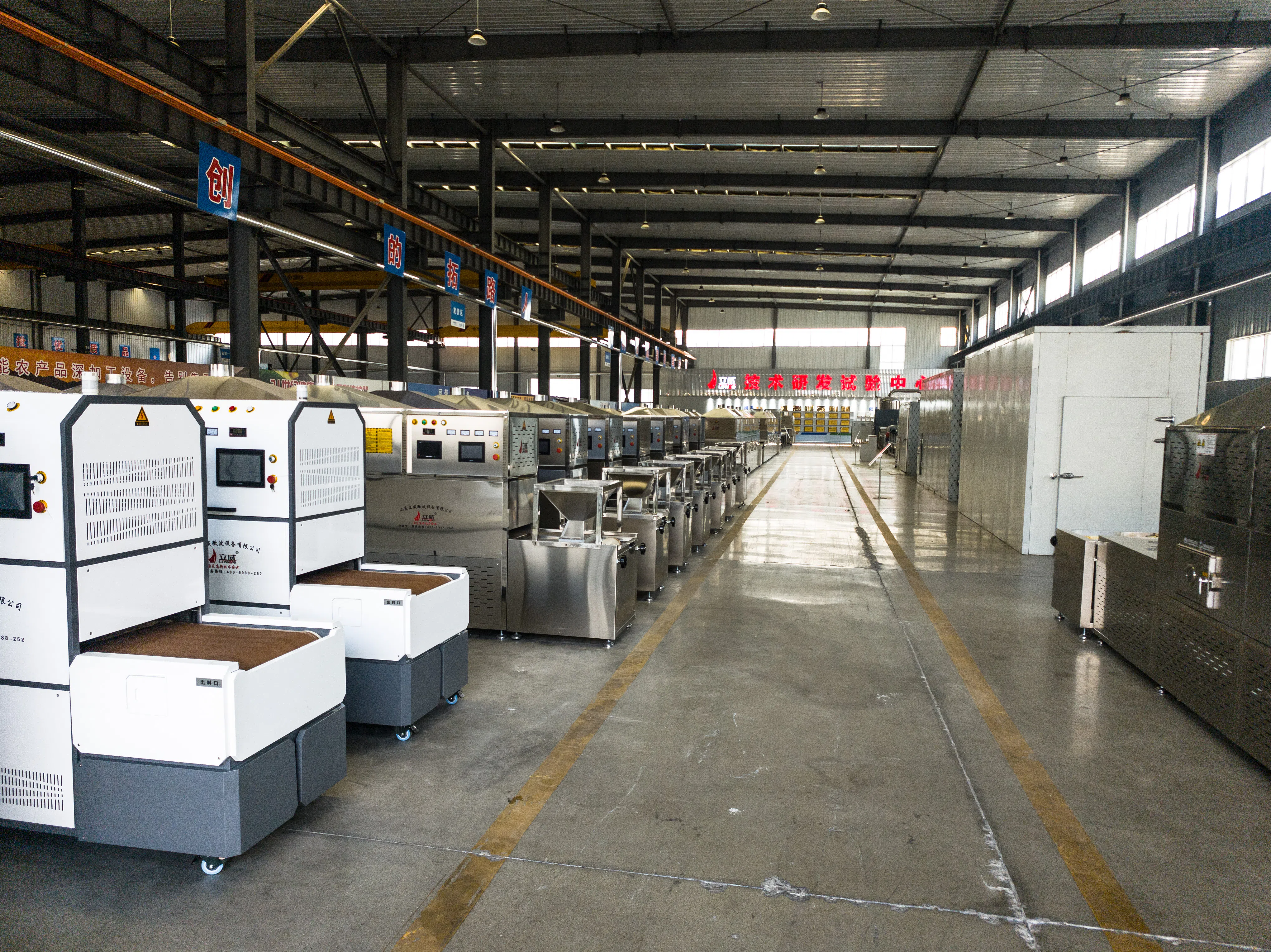
Core growth drivers are summarized as follows:
1. The newly revised National Food Safety Standard — General Safety Requirements for Food Contact Materials and Products (GB 4806.1-2023) tightens the limit of total viable bacterial count residues for heat-sensitive materials.
2. Surging demand for low-temperature rapid sterilization processes from emerging product segments, including Chinese herbal decoction pieces, ready-to-eat fruits and vegetables, and pet snacks.
3. Appendix of Pharmaceutical GMP Contamination Control Strategy for the Production of Sterile Products explicitly advocates non-traditional sterilization methods as alternatives to ethylene oxide sterilization and moist heat sterilization.
Delivering balanced technical performance in retaining active ingredients, shortening processing cycles and cutting energy consumption, microwave sterilization is gradually evolving from an auxiliary process into a core sterilization unit for industrial production.
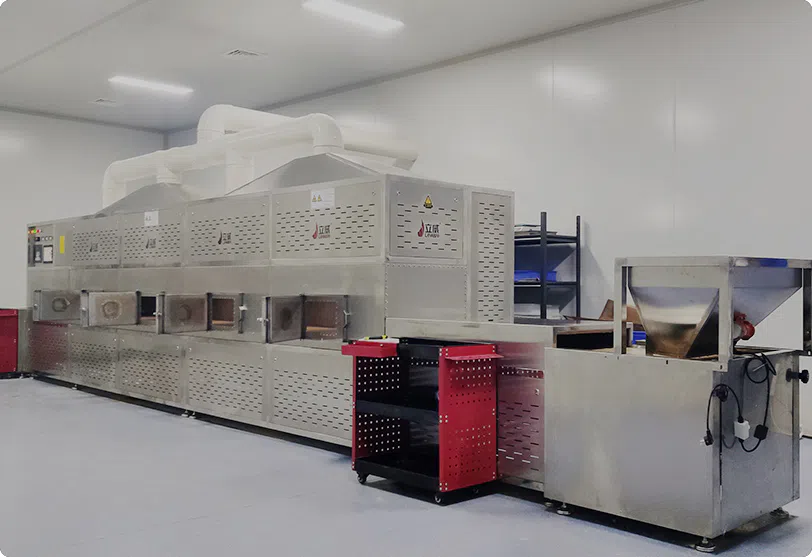
Future Technical Development Trend
By 2026, microwave sterilization technology will move beyond its initial positioning as merely a substitute for steam sterilization, evolving into a critical hub where energy flow, material flow and information flow converge within smart factories. With the deployment of 5G plus edge computing on microwave equipment, a suite of functions will enter commercial application sequentially, including real-time cavity field strength modeling, AI-based sterilization efficacy prediction, and collaborative scheduling across equipment clusters.
Notably, research on the synergistic mechanism combining microwave sterilization with biological enzyme preparations and natural plant bacteriostatic agents has entered the pilot test phase, and a new composite preservation paradigm integrating physical and biochemical treatment is expected to take shape around 2027.
For end users, only manufacturers that offer continuous technological iteration capabilities, open data interfaces, and full respect for proprietary industrial process know-how can help production lines sustain competitiveness amid rapid technological upgrades. Gradually shifting from a standalone functional device, microwave sterilization is maturing into an infrastructure-level technical solution that safeguards food safety, boosts resource utilization efficiency, and advances the dual-carbon goals.


