Product Description
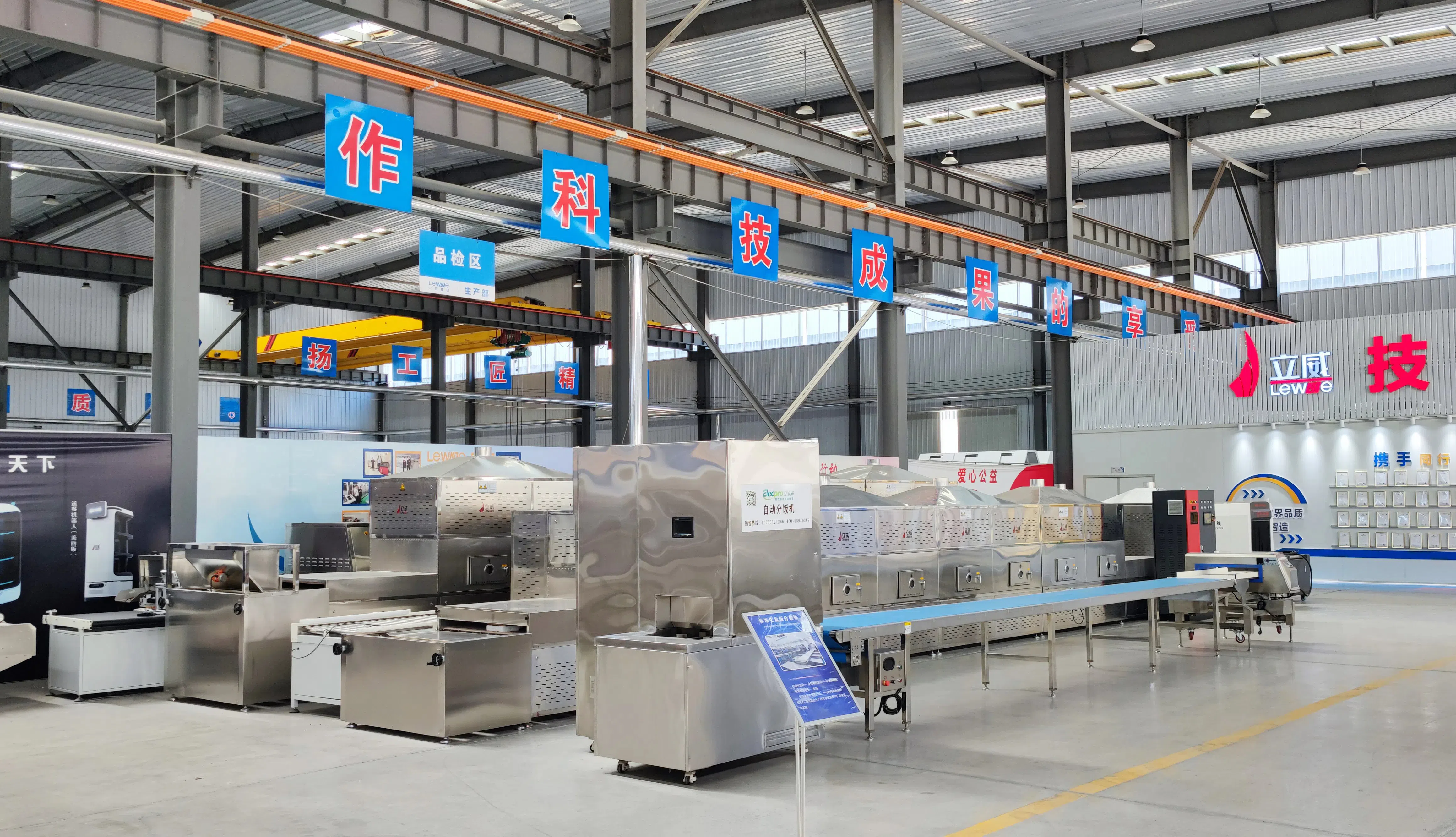
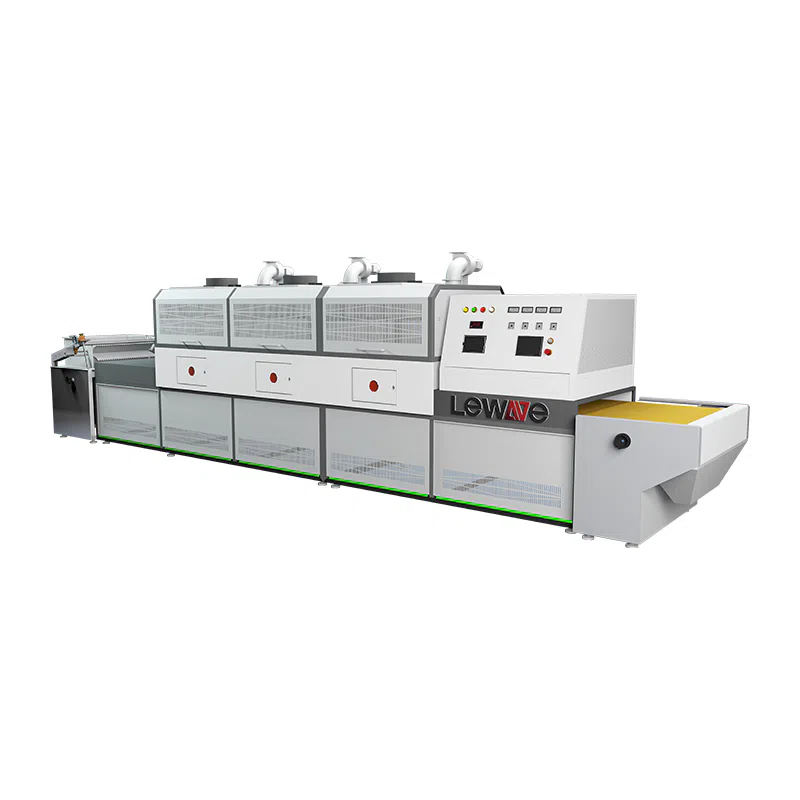
This continuous tunnel wood microwave drying equipment, also known as timber microwave dryer, is specially developed for dehydration of sawn timber, wood strips and wooden semi-finished blanks. After sawing, natural lumber contains free water and bound water. Traditional kiln drying depends on slow surface heat conduction, and long heating cycles easily lead to uneven moisture, internal stress cracks, discoloration and wood deformation. This wood microwave drying equipment adopts volumetric heating to realize mild dehydration for timber of different sizes.
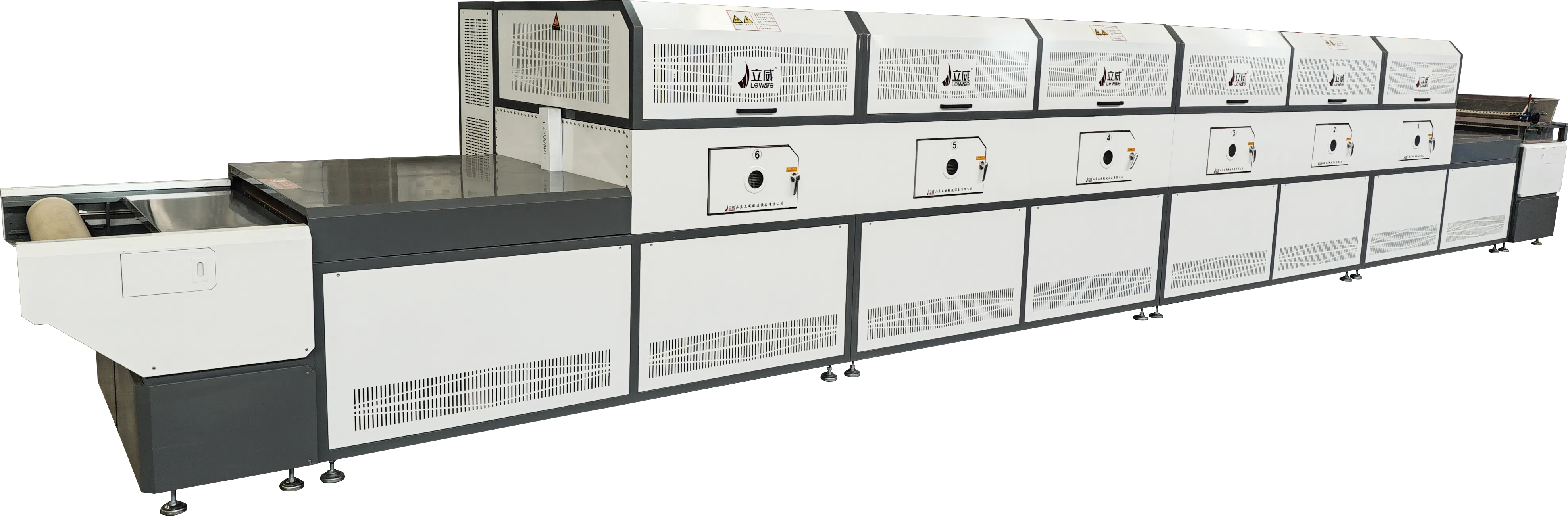
Microwave energy selectively targets water molecules inside wood cell cavities, generating heat within the timber cross-section instead of heating only from the outer surface. Raw wood materials are placed on heat-resistant non-metallic conveyor belts and move through segmented microwave cavities. Matching exhaust fans remove water vapor released from wood pores. Internal moisture migrates outward smoothly, greatly shortening the drying cycle compared with conventional kiln drying.
Core Strengths
Internal heating balances moisture gradients inside timber, greatly lowering cracking, warping and twisting defects common in slow kiln drying. Finished lumber maintains stable dimensions for follow‑up machining.
Shorter processing duration reduces long‑term high‑temperature exposure, helping wood retain its natural texture and original color tone without darkening.
Independent power and speed adjustment adapts to softwood, hardwood, thin wood strips and thick timber blanks with varied initial moisture. Non‑metallic contact parts avoid spark risks inside microwave cabins.
Fully enclosed shielding design complies with industrial safety standards. Continuous automatic feeding and discharging cuts labor input. Dried wood materials fit furniture manufacturing, handicraft processing and packaging timber production.
Equipment Composition
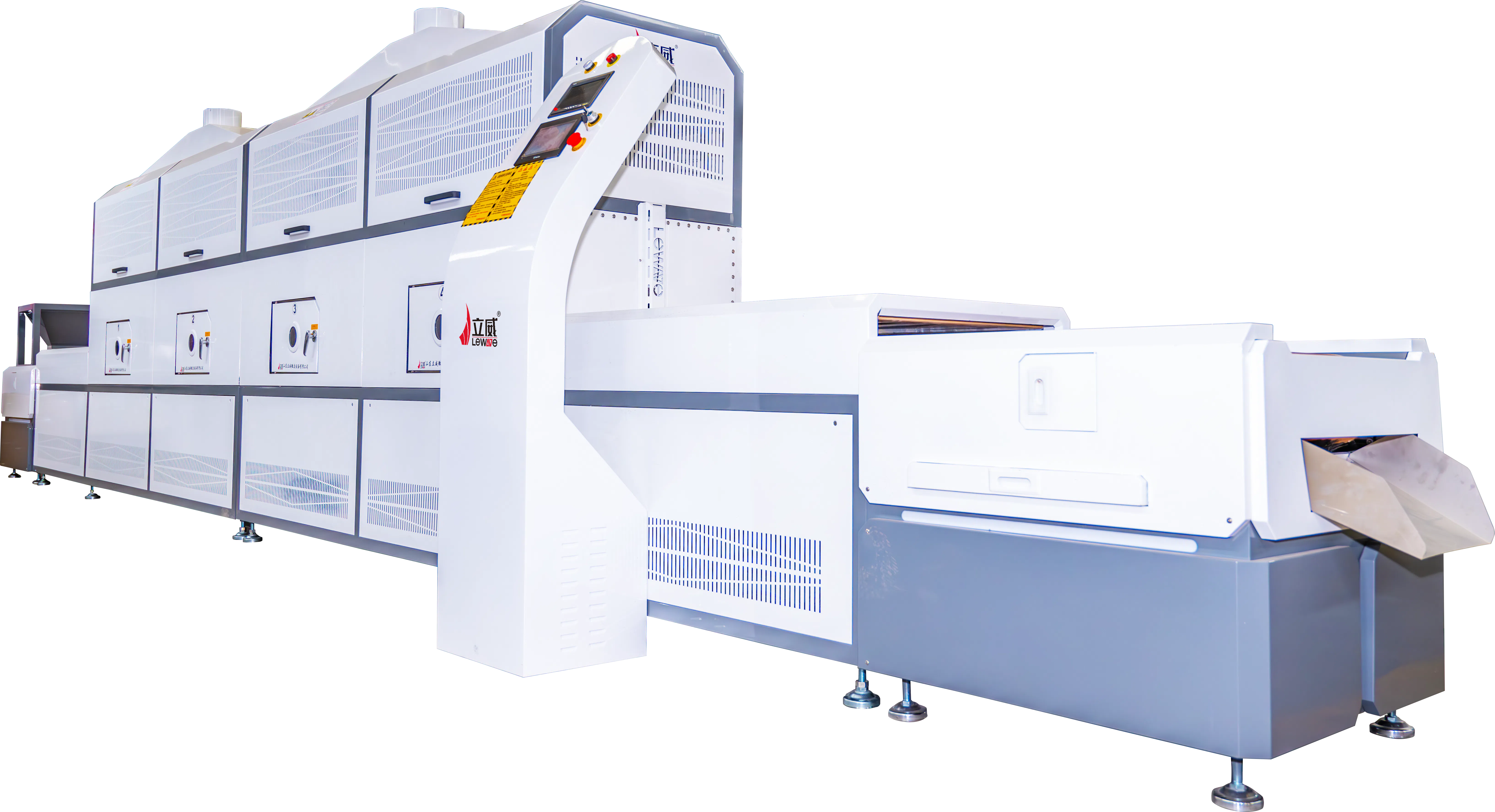
The wood microwave drying equipment adopts an integrated tunnel-type fully automatic production structure with industrial anti-deformation and anti-corrosion design. The whole machine runs stably with strong load-bearing capacity and good sealing performance, which can adapt to long-term high-intensity wood drying production. The complete equipment is composed of multiple core functional systems, covering feeding, uniform spreading, microwave drying, dehumidification and exhaust, intelligent temperature control and automatic discharging, realizing standardized and large-scale wood dehydration processing.
Application Fields
The wood microwave drying equipment is specially developed for wood processing, furniture manufacturing, craft wood production and building wood materials industries. It is widely used for low-temperature drying, dehydration, stress relief, mildew-proof and shaping treatment of various solid wood materials. The processed wood has stable size, uniform moisture and no deformation, serving wood processing factories, furniture production enterprises, building materials manufacturers and wood product export enterprises. The main application ranges are as follows:
Drying of Solid Wood Planks and Strips: Precision dehydration and drying for hardwood, softwood, pine, oak, birch and other conventional wood boards and wood strips, solving the problems of drying deformation and low yield of conventional wood materials.
Drying of Precious Wood Materials: Low-temperature stress-relief drying for high-value precious wood, thin veneer, decorative wood and antique furniture wood, protecting wood texture and avoiding cracking and damage of high-grade wood raw materials.
Drying of Processed Wooden Parts: Constant-moisture drying and shaping for furniture semi-finished parts, wooden craft parts, wooden packaging materials and wooden building materials, ensuring stable dimensional accuracy of finished parts.
Dehumidification and Mildew Prevention of Wood Products: Deep dehydration and mildew-proof treatment for stored wood raw materials and semi-finished wood products, preventing moisture reversion, mildew growth and insect breeding, and improving the overall quality and storage cycle of wood products.