

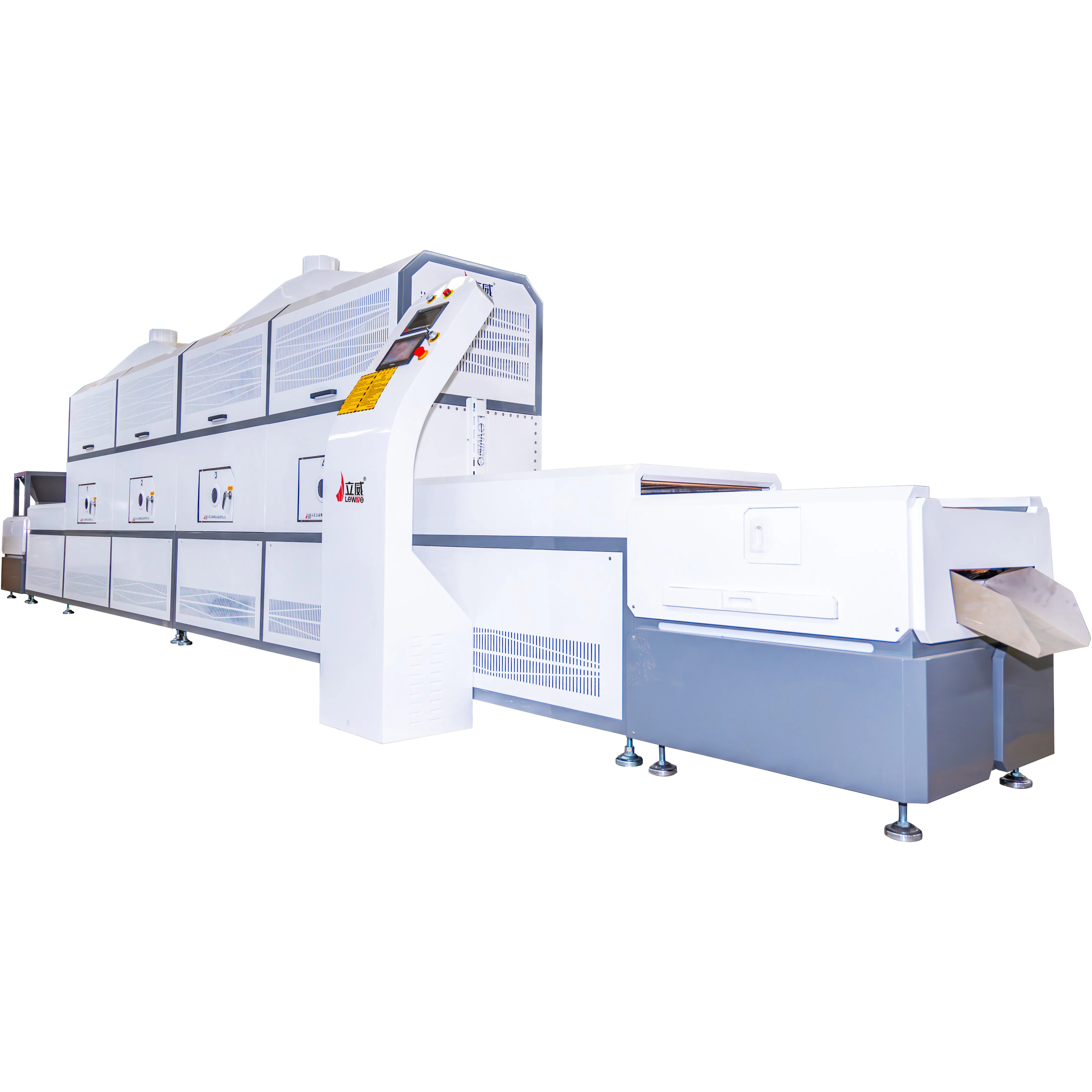
Drawbacks of traditional roasting (pan-frying or hot-air roasting): Heat is applied solely via external conduction, leading to uneven processing—resulting in a mix of raw and burnt seeds. Long heating durations cause the oxidation and loss of Omega-3 fatty acids, while incomplete degradation of cyanogenic glycosides poses safety risks. Furthermore, manual stirring is time-consuming and limits production capacity.
Advantages of microwave-based flaxseed processing: Heating occurs from the inside out, ensuring all seeds reach the target temperature simultaneously. This eliminates the issue of "cooked outside, raw inside," resulting in uniform doneness, consistent color, and a rich, nutty aroma.
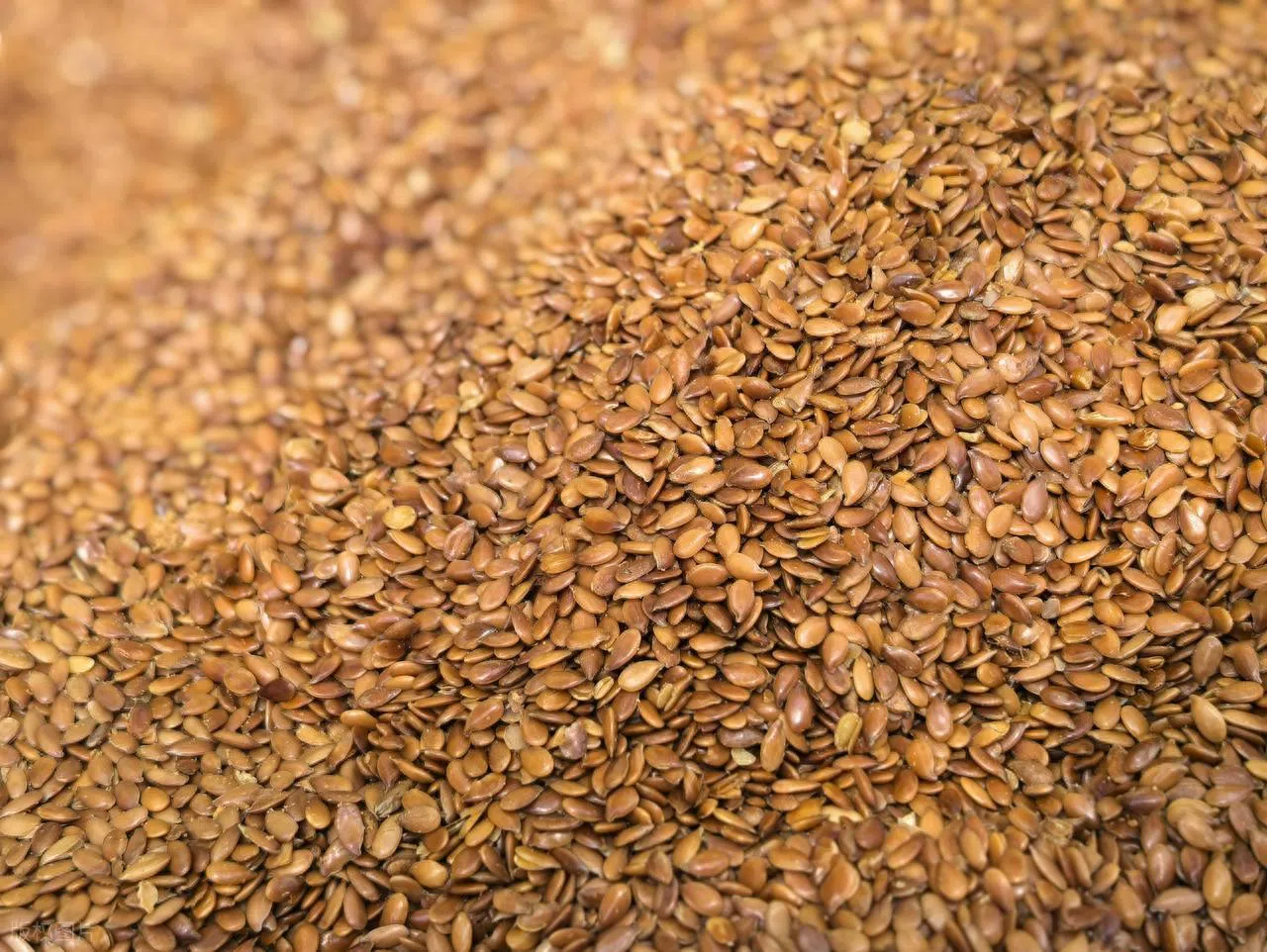
Rapid processing to lock in key nutrients: The short heating cycle minimizes oil oxidation, preserving lignans, dietary fiber, and Omega-3 fatty acids. Simultaneously, it effectively degrades cyanogenic glycosides, enhancing food safety.
Simultaneous processing and sterilization: Through a combination of thermal and biological effects, microwave processing eliminates insect eggs and microorganisms, while deactivating lipases. This extends the product's shelf life and prevents rancidity.
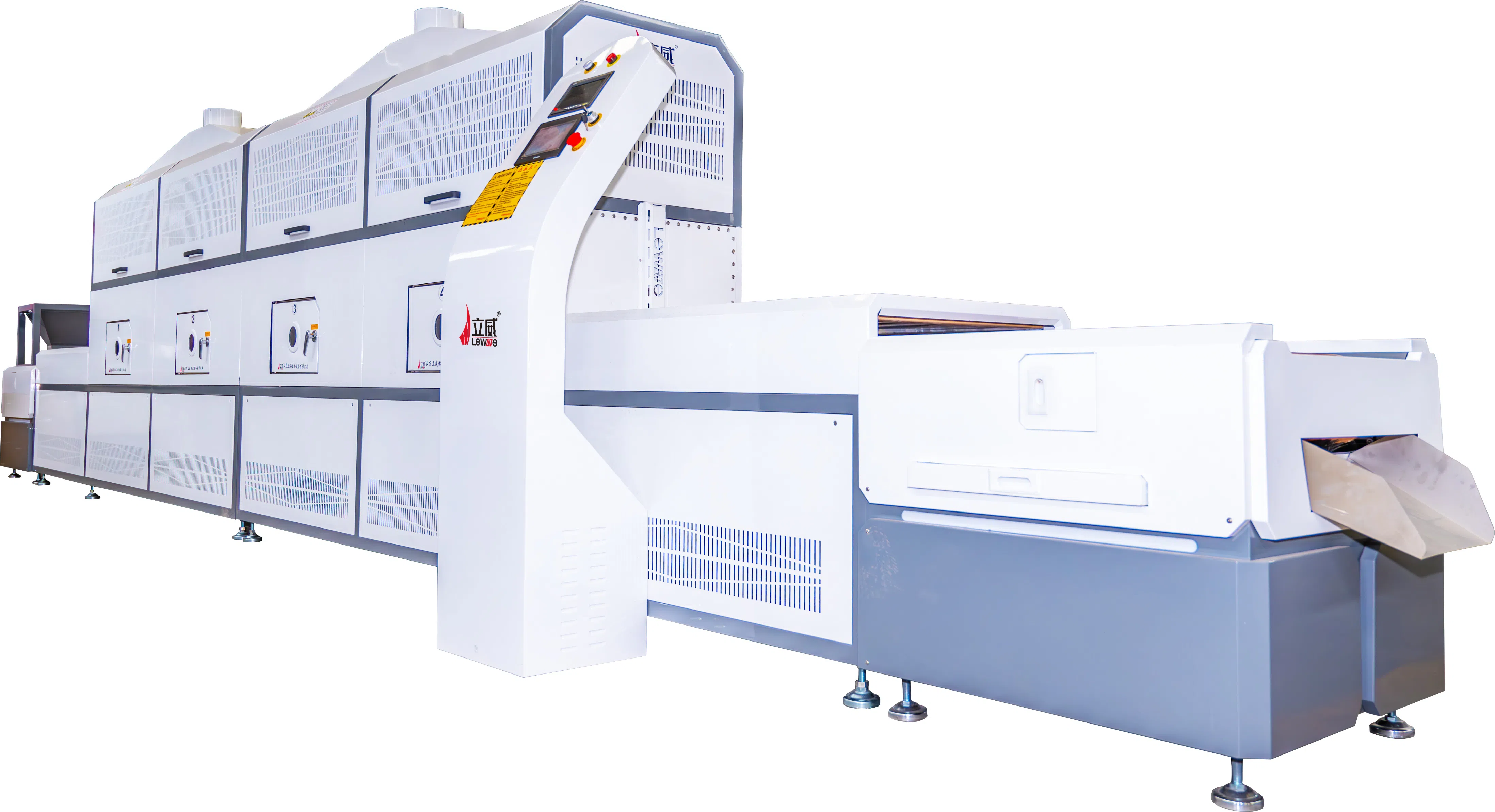
Continuous tunnel-style production: The entire process—from loading and heating to discharging—is fully automated, requiring only 1–2 operators. This ensures stable, high-volume output, making it ideal for large-scale processing in facilities producing grains, baking ingredients, or meal-replacement products.
Clean, energy-efficient, and easy to implement: Powered by electricity, the system produces no smoke, dust, or exhaust gases. With adjustable temperature controls, it is suitable for processing and testing various seeds and grains, including flaxseeds, chia seeds, and sesame seeds.
Applications for processed seeds: Ideal for milling into flour, use in baked goods (bread, biscuits), meal-replacement powders, instant beverage mixes, or as an additive for yogurt.


